

Vineyard Profile
Virgil Rock Ranch Vineyard
Techincal Details
Virgil Rock Ranch Vineyard
Orientation
The vineyard faces north. Mago of Carthage, writing in 350 BC, advised planting vineyards facing north. The Virgil Rock Vineyard thrives in Napa’s morning sun. That early light is everything. It delivers the phenolic ripeness that builds complexity, layering the aromatics, deepening the texture, while the cooler afternoon and even cooler evenings keeps the structure vivid and fresh. The result is a wine with the tension and precision reminiscent of a Bordeaux First Growth, with Napa’s signature Napa depth of aromatics and richness of texture that elevates Virgil by RARECAT into something genuinely
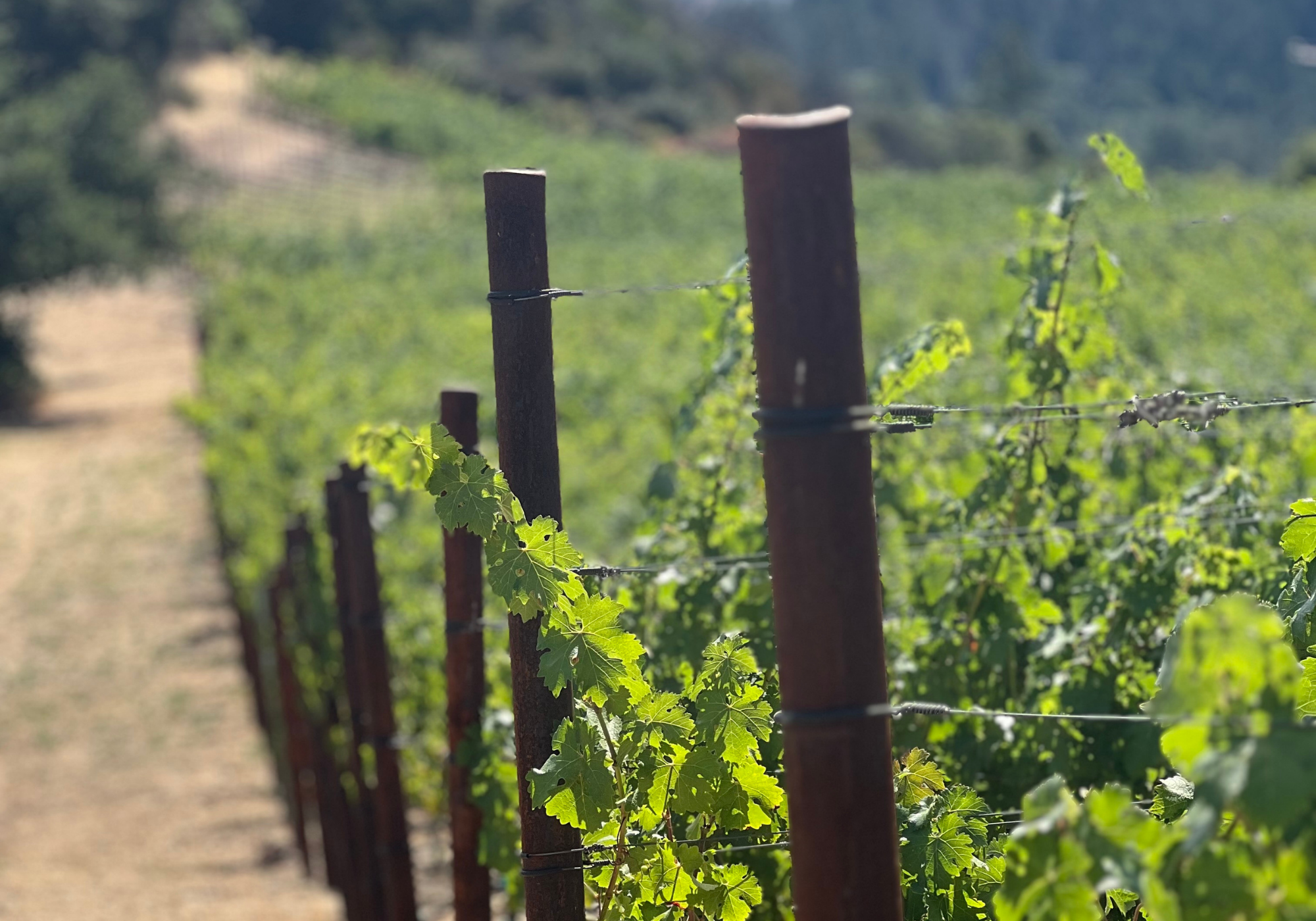
North facing captures morning sun
Grape Varietal
Cabernet Sauvignon, clone 4: The entire vineyard is planted to Clone 4 Cabernet Sauvignon on 3309 rootstock. Clone 4 is known for high quality, low yields, and characteristically small berries — the kind of clone that rewards patience. Small berries mean a higher skin-to-juice ratio, which translates to deeper color, more concentrated tannins, and greater aromatic complexity.
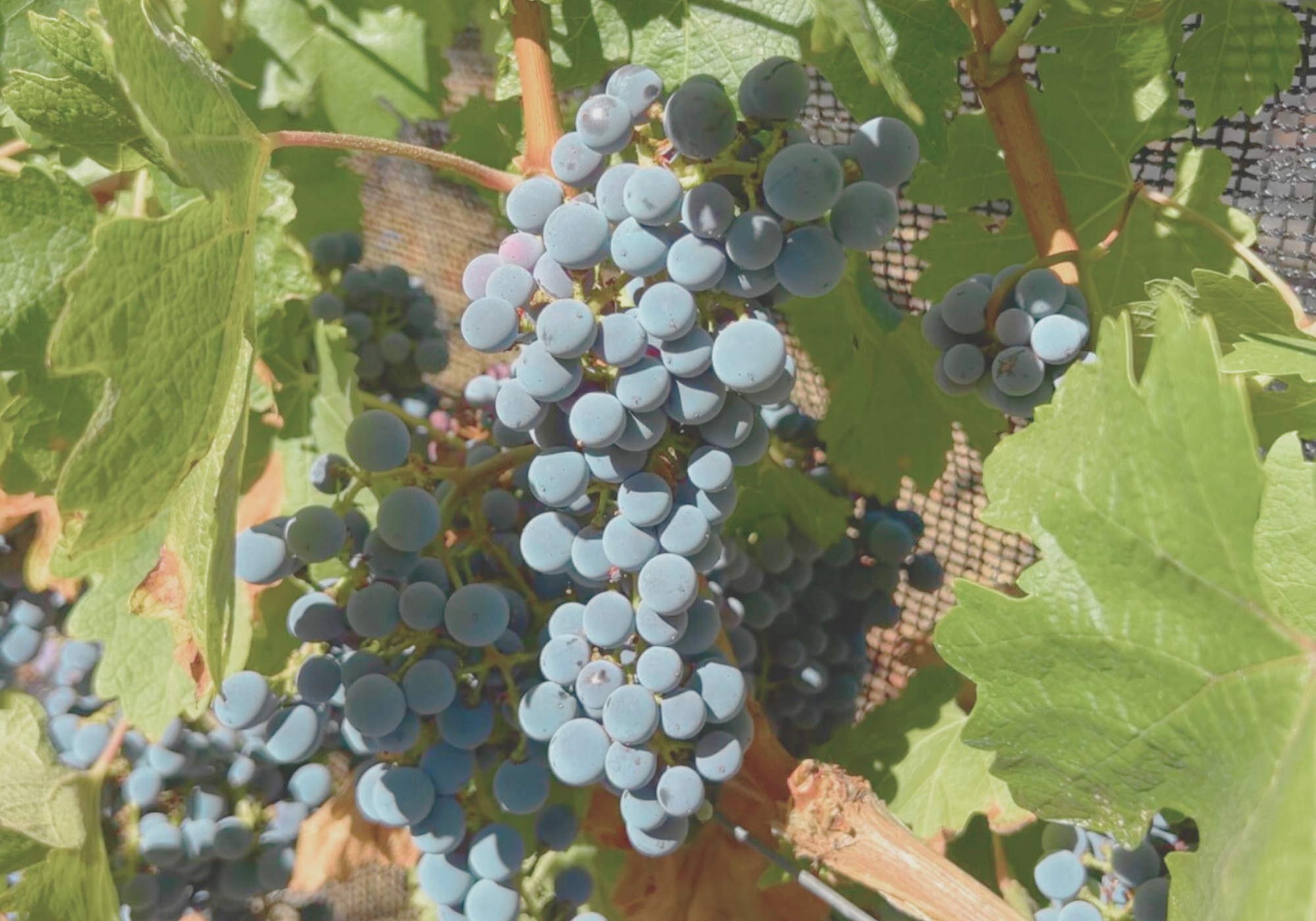
Small berries, greater complexity
Soils
Soils here are volcanic mountain loam with decomposed sandstone and shale, complex, well-drained, and minerally expressive. There are a few pockets of very shallow soils within the blocks, which concentrate the fruit further but require close attention during the season. The vineyard is farmed sustainably, with organic practices, and draws from two on-property wells. A cover crop is seeded each winter between rows. Volcanic Loam and Shale created concentration in flavor.
Vineyard Density
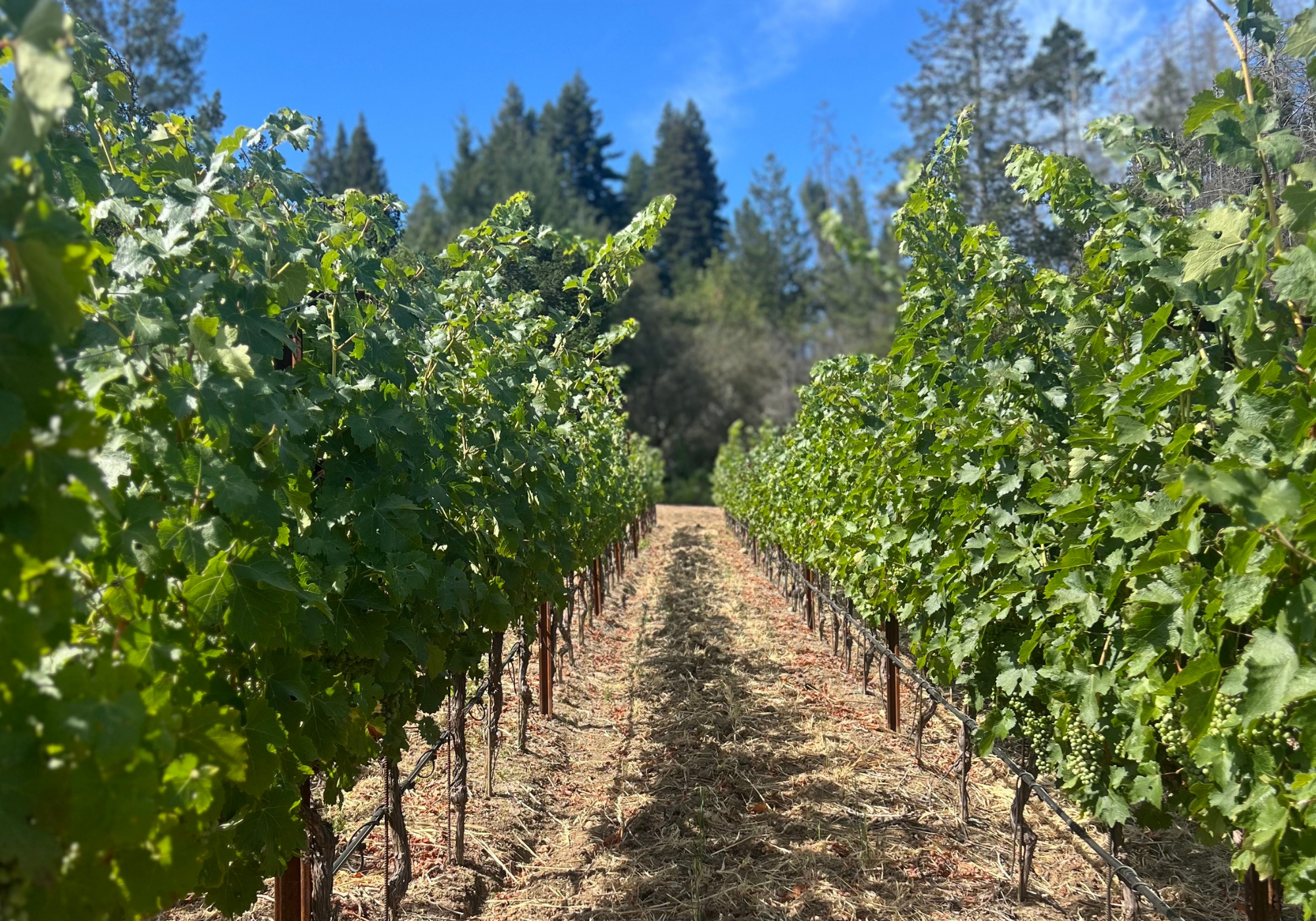
Planting density is deliberately high at 2,400 vines per acre, with 6-foot row spacing and 3-foot vine spacing. Tight spacing creates vine competition for resources — roots go deeper, canopies stay manageable, and the resulting fruit is more concentrated and expressive. Crop load is kept very low, targeting approximately 3 - 4 pounds per vine, which translates to roughly 2 - 4 tons per acre. This is a vineyard managed for quality, not volume.
Low yielding for higher quality
Canopy Management
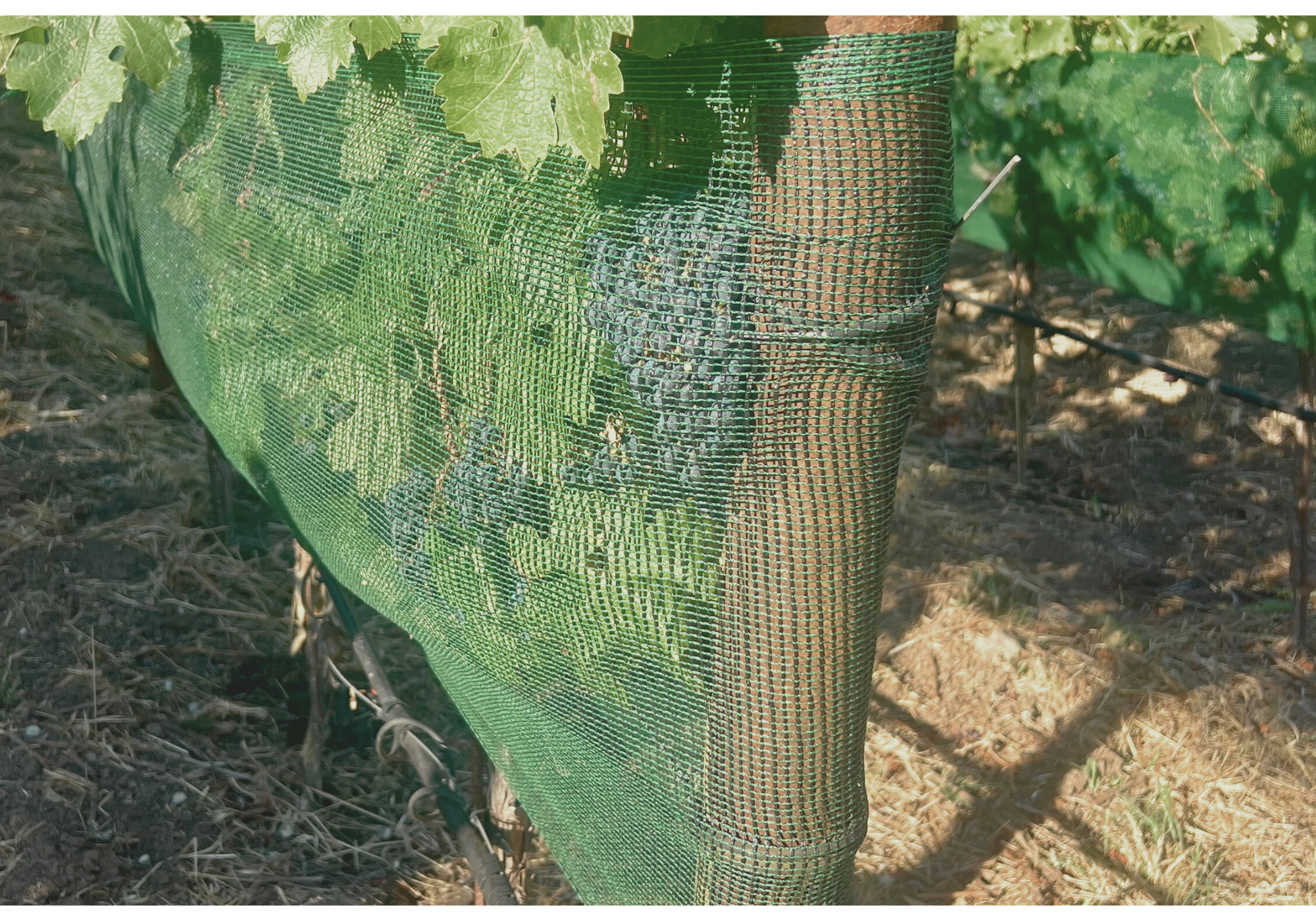
Canopy management focuses on keeping everything below the middle wire, with clusters reduced to 1 to 1.5 clusters per shoot. The philosophy: a restrained crop load in the early years strengthens the wood and builds a more resilient vine over time. A roughly 10% reduction is standard practice here. The fruit zone is protected with shade cloth because of wild turkeys however the cloth leads to a longer growing seasons, more aromatics and complexity.
Below the middle wire for better quality
Vineyard Team
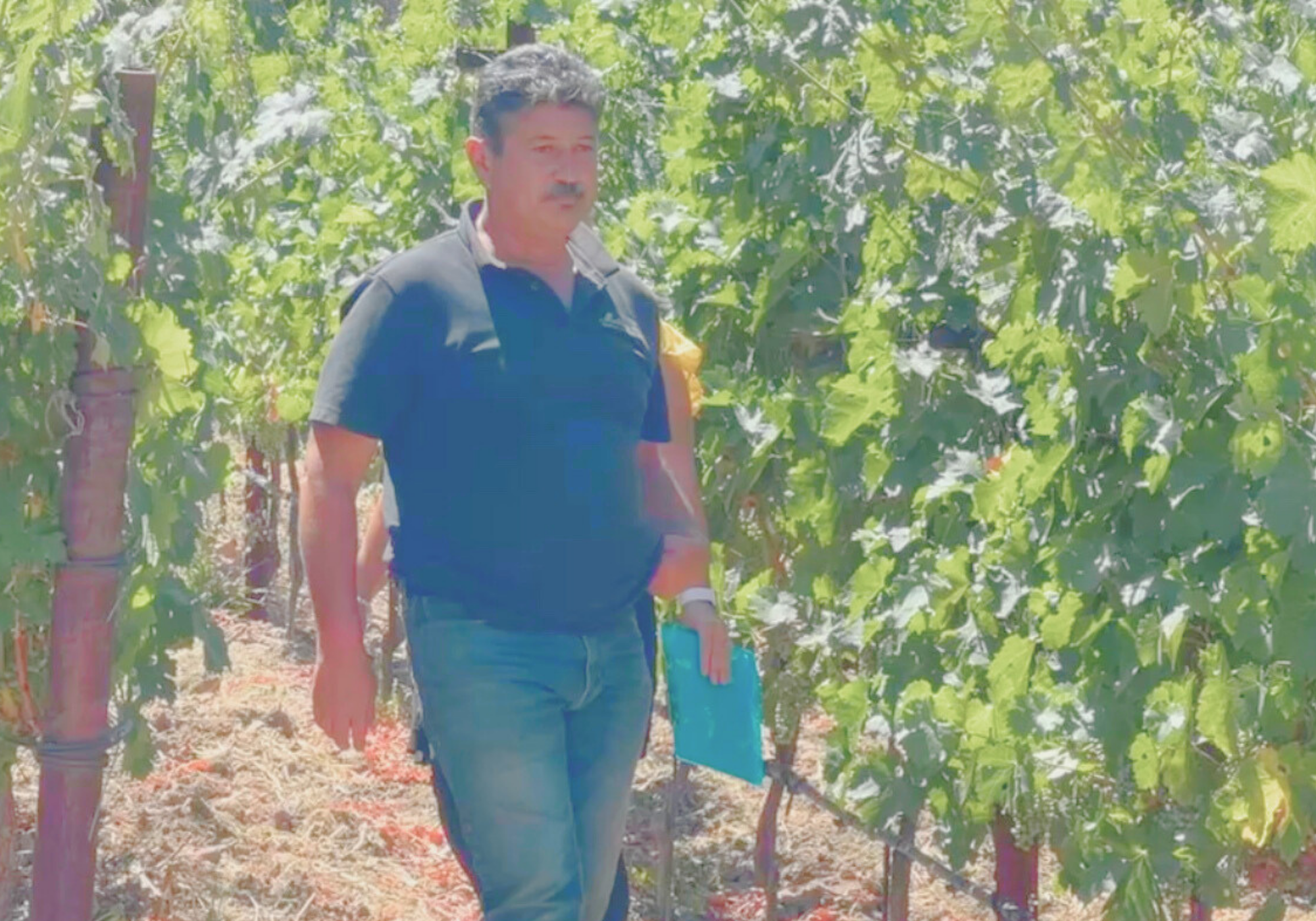
Hugo Maldonado grew up on Spring Mountain, working alongside his father Lupe in the vineyards at Newton. Long before any formal education at UC Davis, he was learning what most vineyard managers spend careers trying to understand. He is a man of few words and his instincts paid off when he planted clone 4 facing north.
Lifetime of experience on Spring Mountain
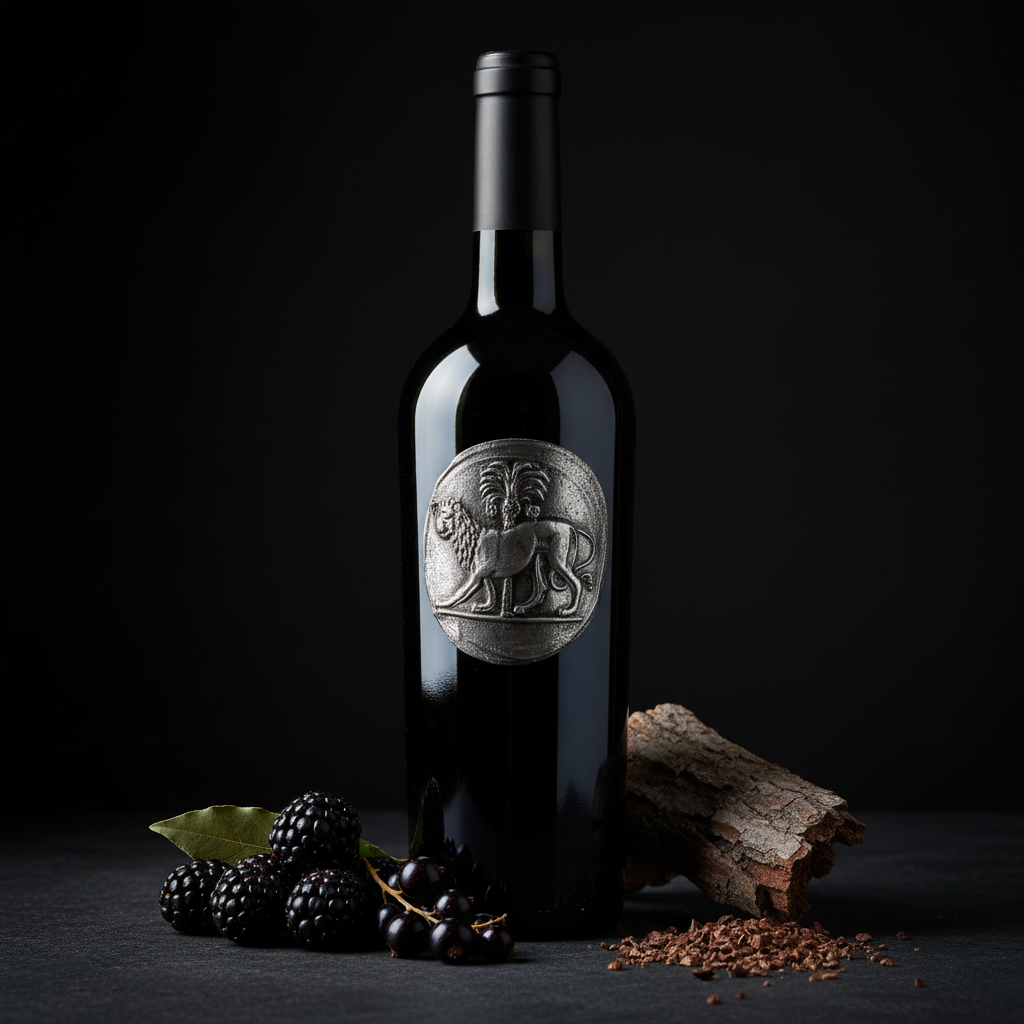

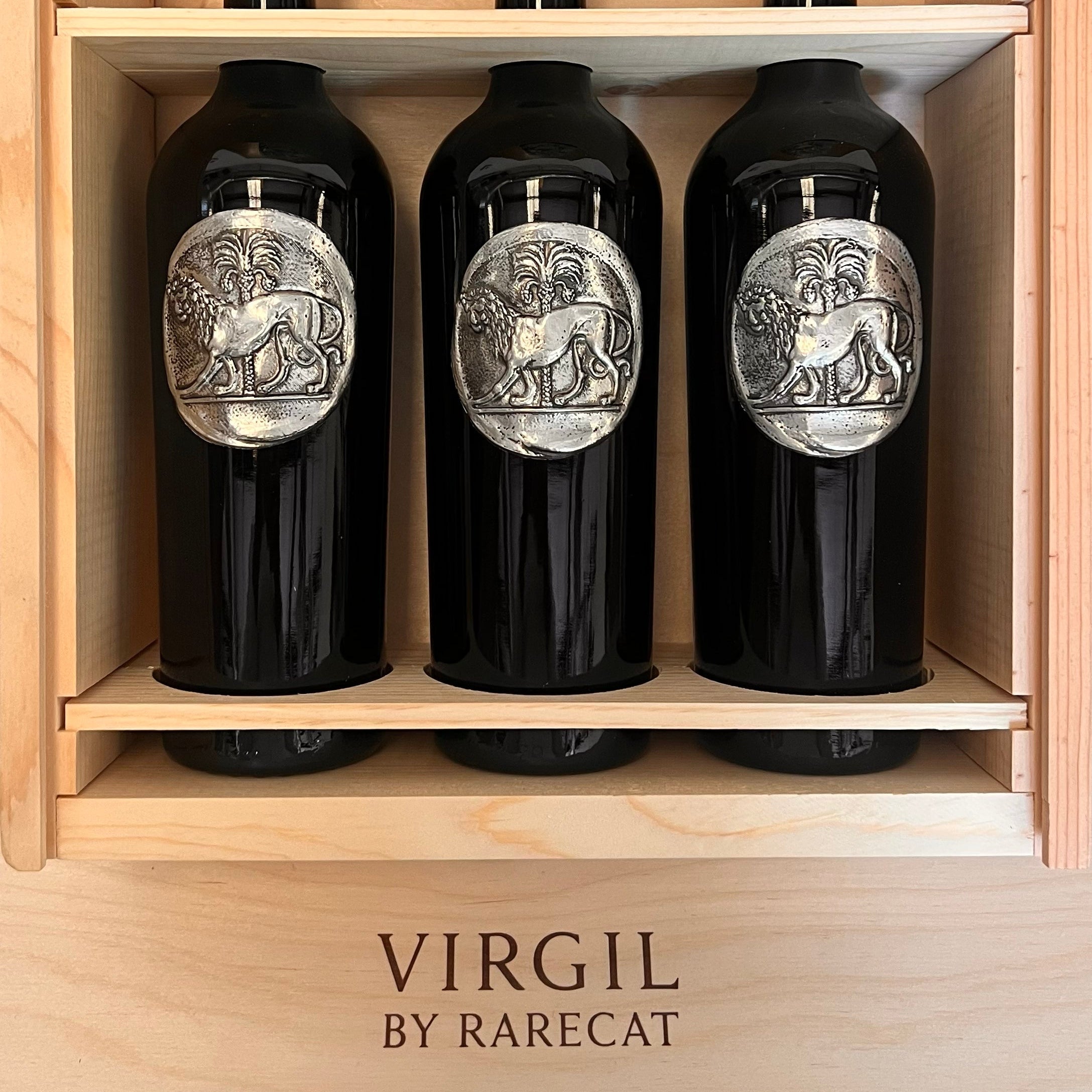
An ultra-premium Cabernet Sauvignon made from the Virgil Rock Ranch Vineyard on Spring Mountain. The 2023 vintage is inky and vibrant in the glass, offering a lifted bouquet of floral notes that reflects the character of the vineyard. Aged for 24 months in 90% new French oak barrels, this wine is cellar-worthy, and will develop for 10-20 plus years. What makes this wine special is it vivacity and freshness, a reminder of the great Bordeaux with the layer of Napa aromatic intensity and texture.